













Oil bottles & pails
Front and back identity, grade and volume panels on moulded bottles, metal cans and pails.
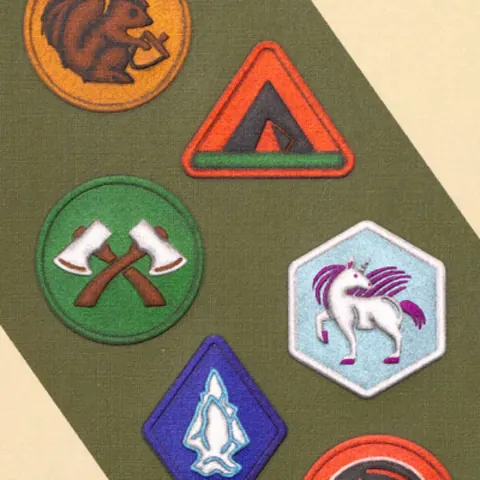
 Most popularDie Cut StickersCustom shapes cut to your artwork on laminated vinyl. Singles, packs and rolls, from short runs to volume.Explore
 Kiss Cut StickersEasy-peel backing
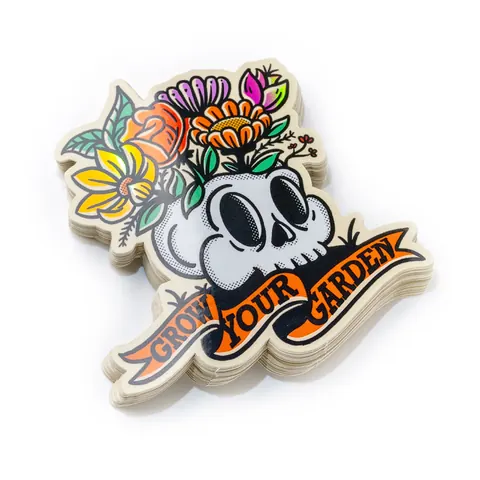 Vinyl StickersDurable laminated film
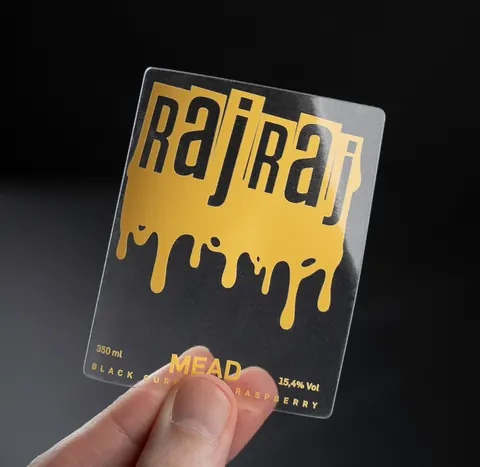
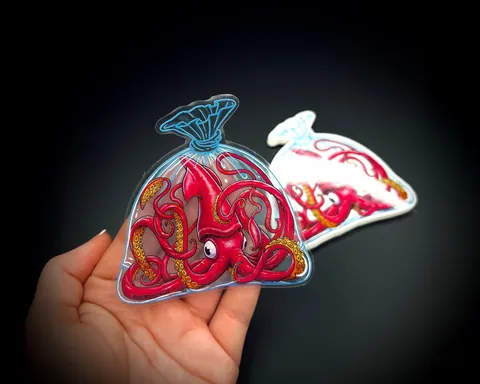 Clear StickersTransparent film, white ink
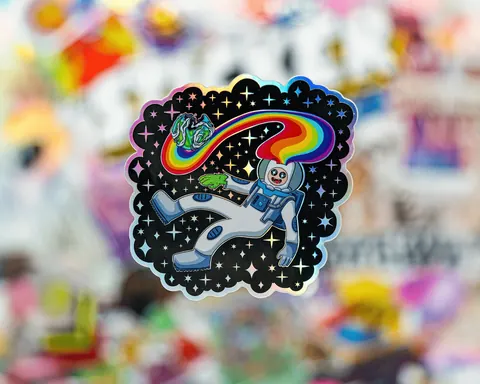 Holographic StickersReflective effect films
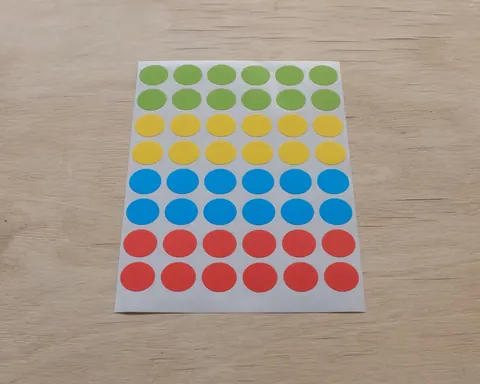
 Sticker SheetsMany designs, one sheetNot sure which sticker?Compare materials, finishes and formats in the selection guide.Selection guide
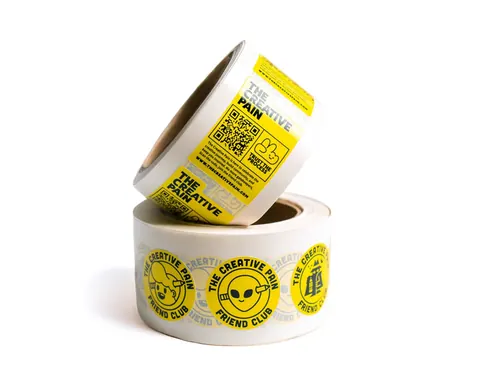 Most requestedRoll LabelsRolls for hand or machine application. Core, unwind and labels per roll set to your line, kept on file for reorders.Explore
 Food & Beverage
 Coffee & Tea
 Wine & Spirits
 Beer & Cider
 Bakery & Confectionery
 Honey, Jams & Preserves
 Specialty Food & Regional Gifts
 Sauces & Condiments
 Supplements & Nutrition
 Another industry?Tell us the container and the conditions.Every label is quoted the same way: from the container, the contents and the line. Samples on your packaging confirm it.Request a quote
Custom lubricant and automotive labels need clear product identity on bottles, pails, cans and workshop packs. Compare printed film, metallic identification and high-tack options around the actual container, oil or cleaner exposure, technical information and the way labels are applied in production.
Made in our own factory. Specified around your packaging.
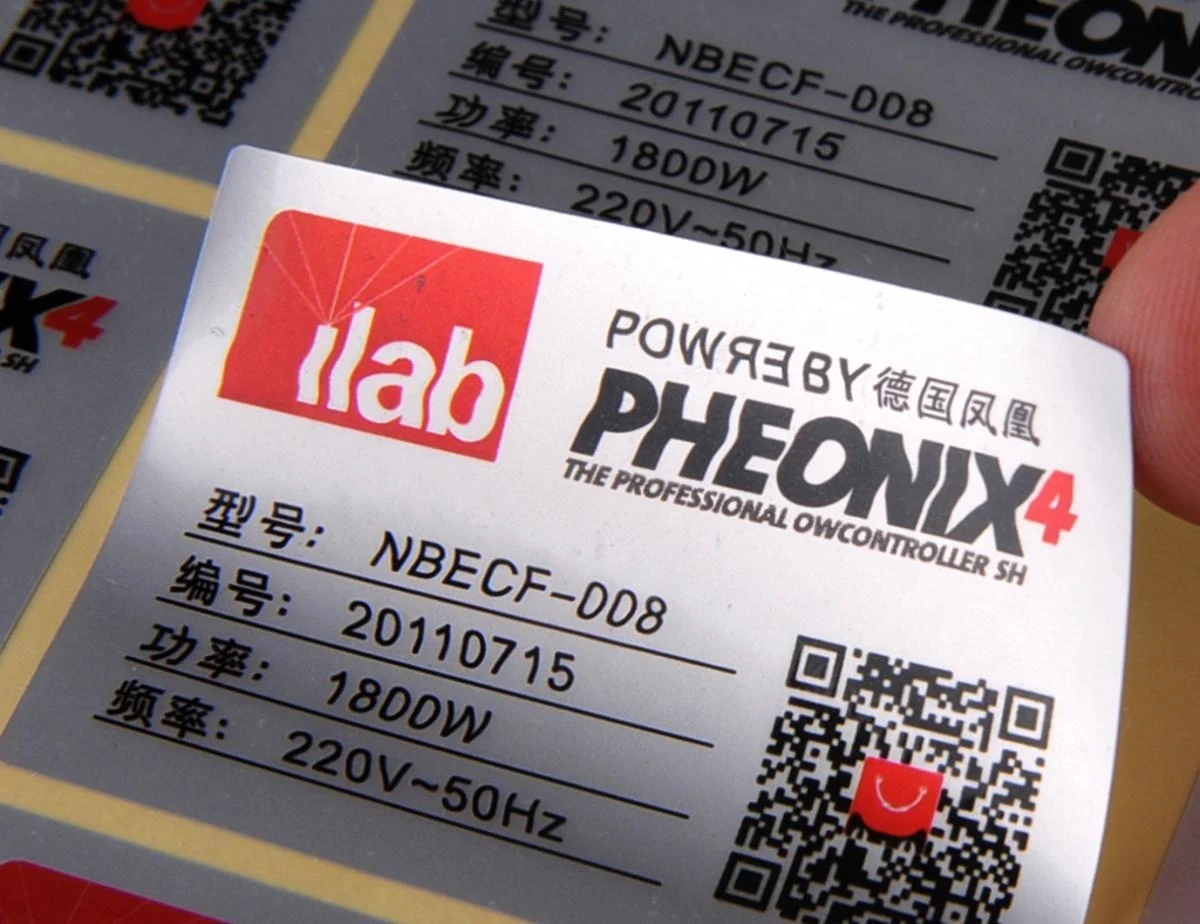
Real photographs from our label collection show material and finishing routes to compare. Select a construction around your pack and use conditions.
A matte silver PET label for metallic brand marks, identification panels and equipment-label projects, with the final construction selected for its use.
View material & finish details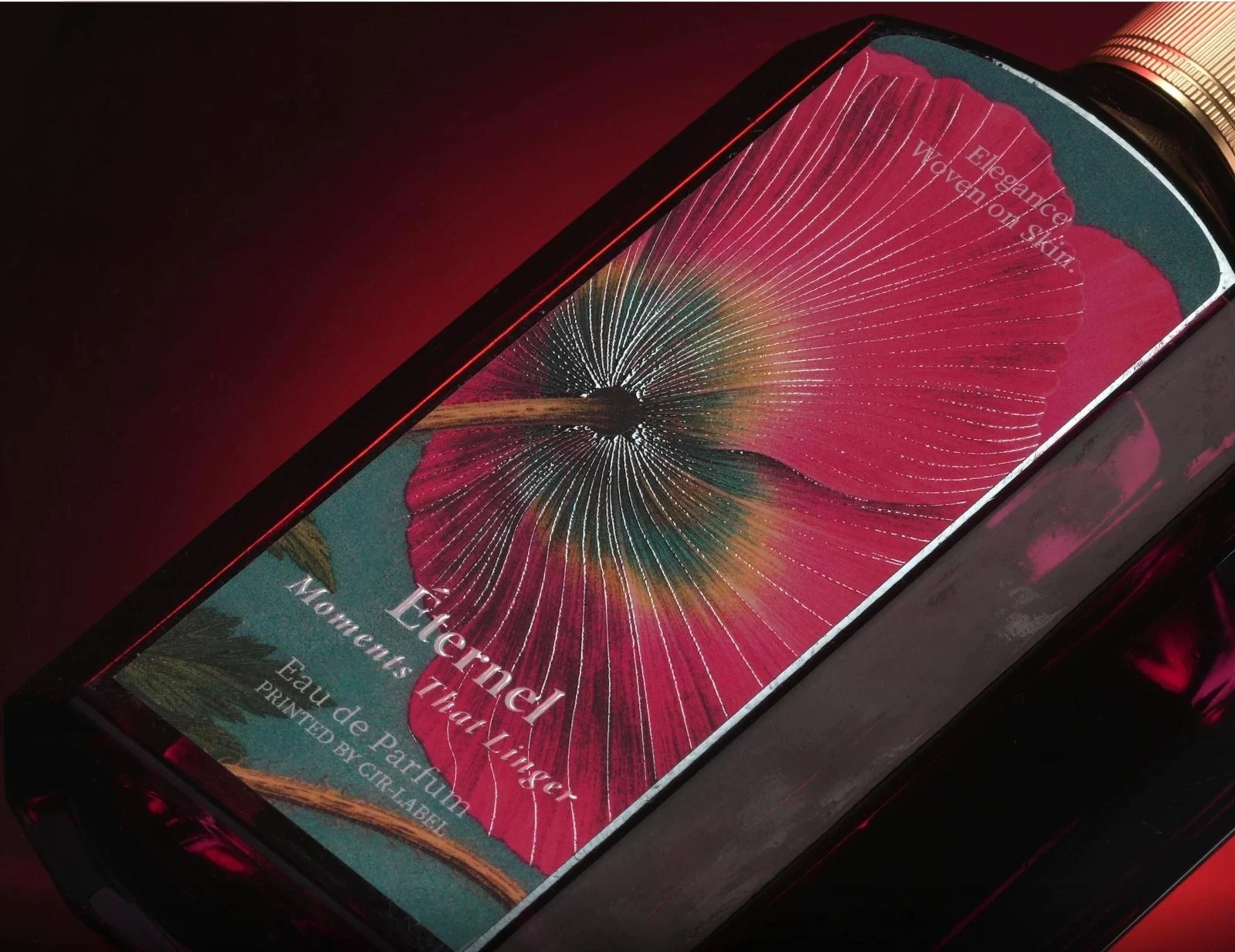
White PVC roll labels for projects that need a film face stock, custom printing and a construction matched to water exposure.
View material & finish details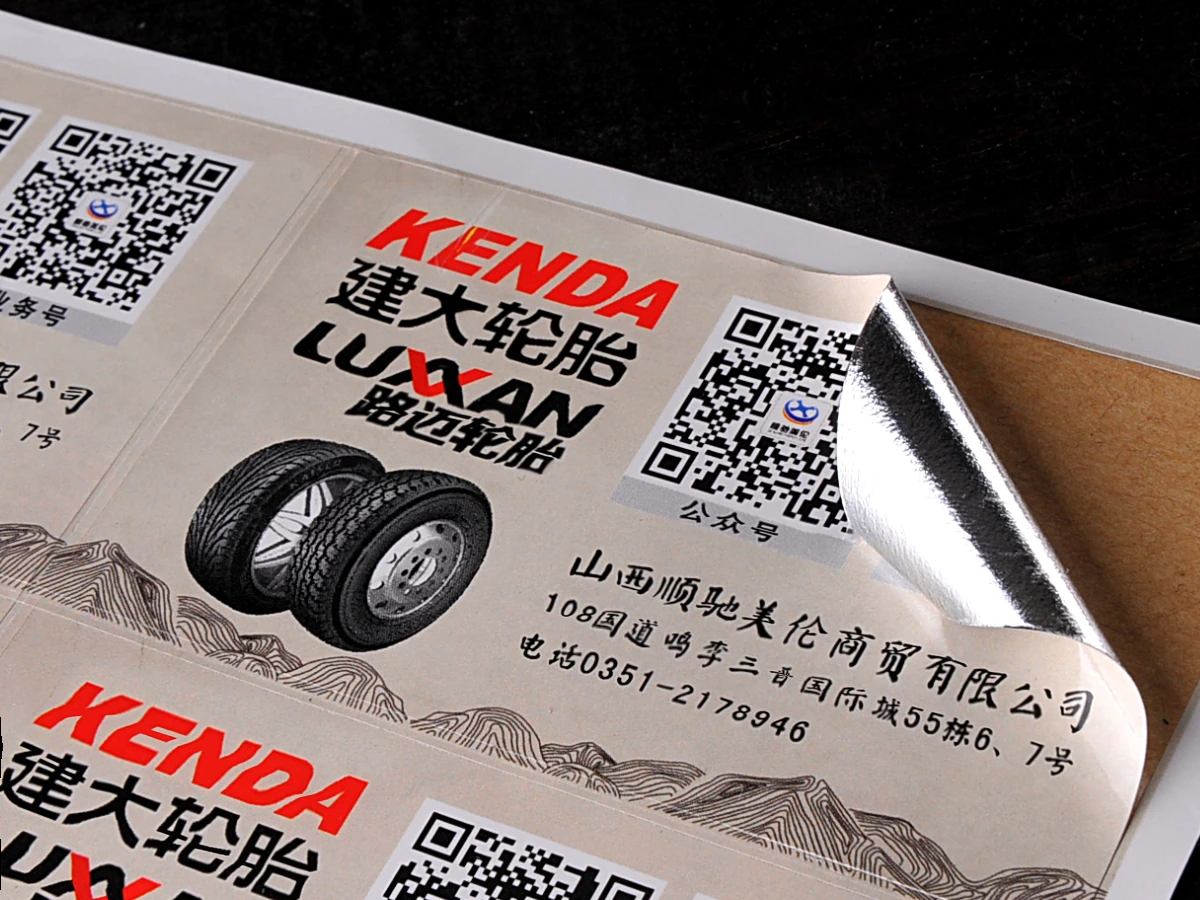
Paper labels laminated with a silver film and a tyre-adhesive backing, combining custom print with a construction intended for a demanding bond and cover-up work.
View material & finish detailsStart with where the label goes in your lubricants & automotive project. Each receiving surface and application method belongs in the specification.
Front and back identity, grade and volume panels on moulded bottles, metal cans and pails.
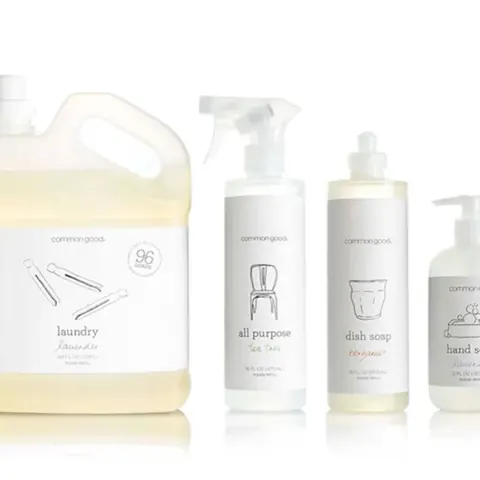
Product and use information for cleaners, polishes and workshop formulations.
Model, batch and technical information for parts and equipment packaging.
Tyres, textured plastics and coated parts considered as distinct adhesion projects.
These are family-level routes for sampling. The quotation confirms the exact face stock, adhesive, print, finish and supply format for your project.
| Application | Face-stock route | Adhesive route | Review before approval |
|---|---|---|---|
| Moulded oil bottle | Printed film | Adhesive matched to the resin | Spills, wiping and the bottle recess |
| Metal can or pail | Film or metallic PET | Permanent route for the coating | Edge adhesion and visible technical copy |
| Workshop product pack | Paper or film | Selected for pack and exposure | Cleaner contact and handling |
| Tyre or difficult surface | Specialised high-tack construction | Surface-specific selection | Application, retention and removal |
Application temperature and later service conditions are separate selection factors. Avery Dennison adhesive selection guide.
Use finishing to support the visual identity and the information the label needs to carry.
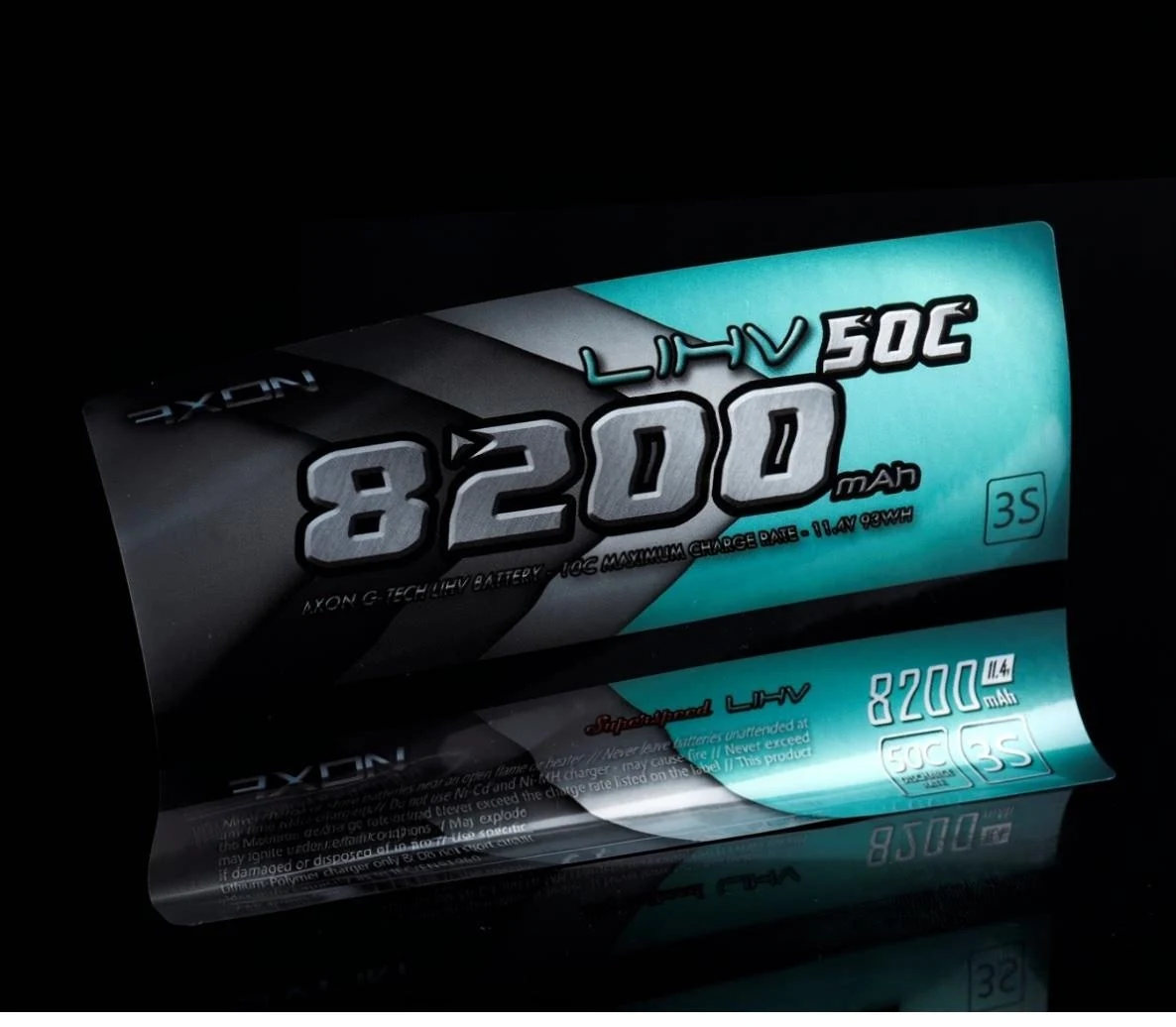
Compare a coating or lamination around the expected handling. Trial actual cleaners, rubbing and reading conditions on the proposed construction.
Explore this optionPlan serials, barcodes and code backgrounds before adding decorative elements. Agree the data source, sequence and review method.
Explore this optionMetallic and clear backgrounds need a deliberate print treatment. A white-ink layer or a different surface can change readability.
Explore this optionAgree an acceptance reference for the actual pack. A digital proof, a physical print and an applied sample answer different questions.
Identify the actual formulation and whether contact is a brief splash, repeated wipe or longer exposure. Review print, finish and edges after that test.
Record the resin, texture, recess and curved area. Trial labels on production bottles or pails, including normal filling and handling.
Make viscosity, product grade, pack volume and approved use information easy to distinguish. Keep barcode and batch fields clear of decorative effects.
Confirm label orientation, leading edge, core, maximum roll diameter and the quantity per roll. A roll diagram connects the approved artwork to your applicator.
Prepare the roll specificationCompare sheet supply for hand application and smaller runs. Send quantities per design and keep copy, codes, stock and finish changes in the version list.
Explore sheet labelsReserve room for batch, SKU or serial data. Test the actual print or overprint method, and check the completed code in its intended position on the pack.
Plan variable dataFor barcode layout, preserve clear background areas and suitable contrast. GS1 US barcode placement and printing guidance.
Start with the items below, plus the finished dimensions, artwork and quantity per design. We can then discuss a construction and sample plan for the project.
Discuss your label project