













Regional food packs
Product and origin identity for rice, dried goods, honey and other packaged specialities.
 Most popularDie Cut StickersCustom shapes cut to your artwork on laminated vinyl. Singles, packs and rolls, from short runs to volume.Explore
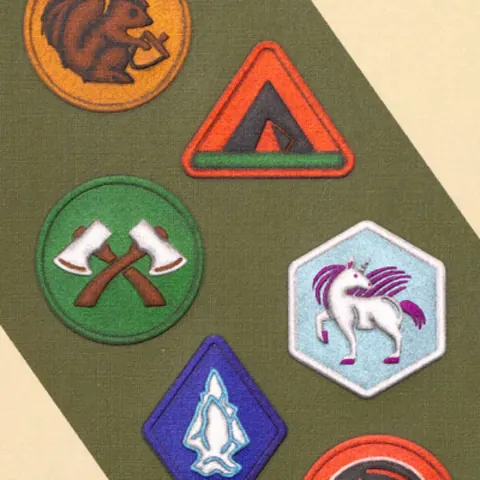
 Kiss Cut StickersEasy-peel backing
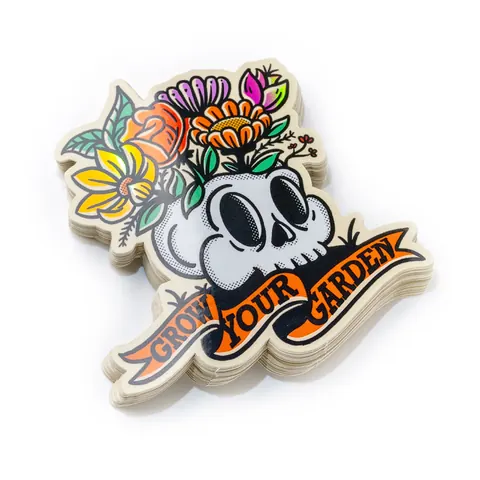 Vinyl StickersDurable laminated film
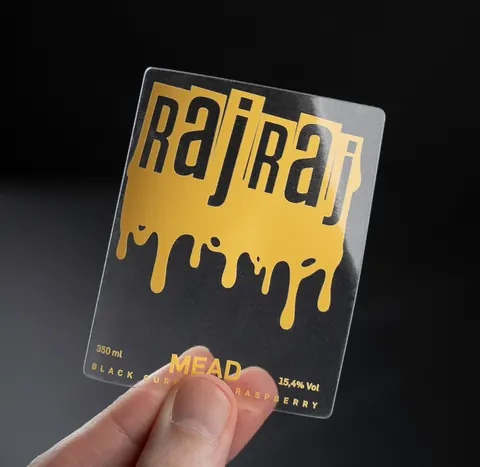
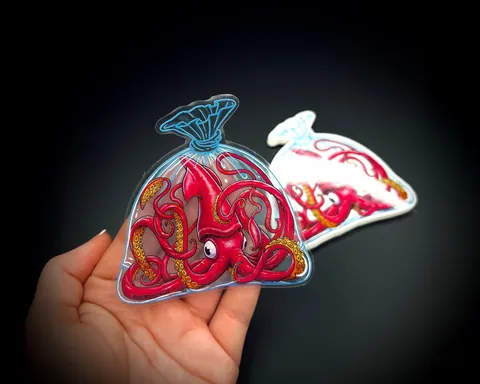 Clear StickersTransparent film, white ink
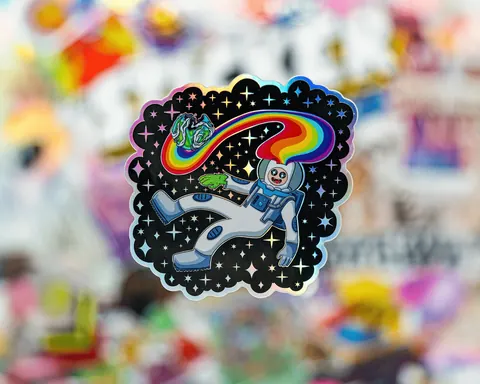 Holographic StickersReflective effect films
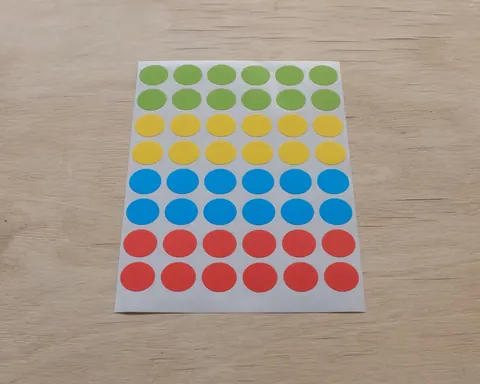
 Sticker SheetsMany designs, one sheetNot sure which sticker?Compare materials, finishes and formats in the selection guide.Selection guide
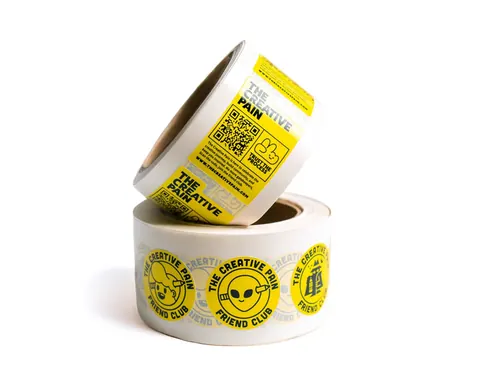 Most requestedRoll LabelsRolls for hand or machine application. Core, unwind and labels per roll set to your line, kept on file for reorders.Explore
 Food & Beverage
 Coffee & Tea
 Wine & Spirits
 Beer & Cider
 Bakery & Confectionery
 Honey, Jams & Preserves
 Specialty Food & Regional Gifts
 Sauces & Condiments
 Supplements & Nutrition
 Another industry?Tell us the container and the conditions.Every label is quoted the same way: from the container, the contents and the line. Samples on your packaging confirm it.Request a quote
Custom specialty food and regional gift labels bring a coherent identity to tea tins, rice packs, preserves and curated gift boxes. Compare white kraft, decorative fibres, texture and metallic accents while keeping product variants, approved food information and the inner and outer pack requirements connected.
Made in our own factory. Specified around your packaging.
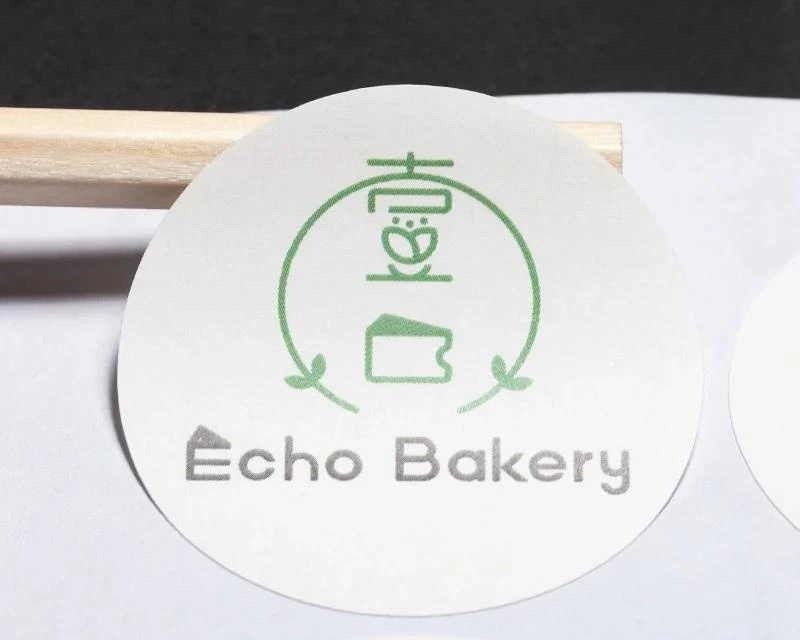
Real photographs from our label collection show material and finishing routes to compare. Select a construction around your pack and use conditions.
White kraft-paper labels for tea packs, bakery boxes and other dry packaging, with printed artwork reviewed on the chosen paper shade.
View material & finish details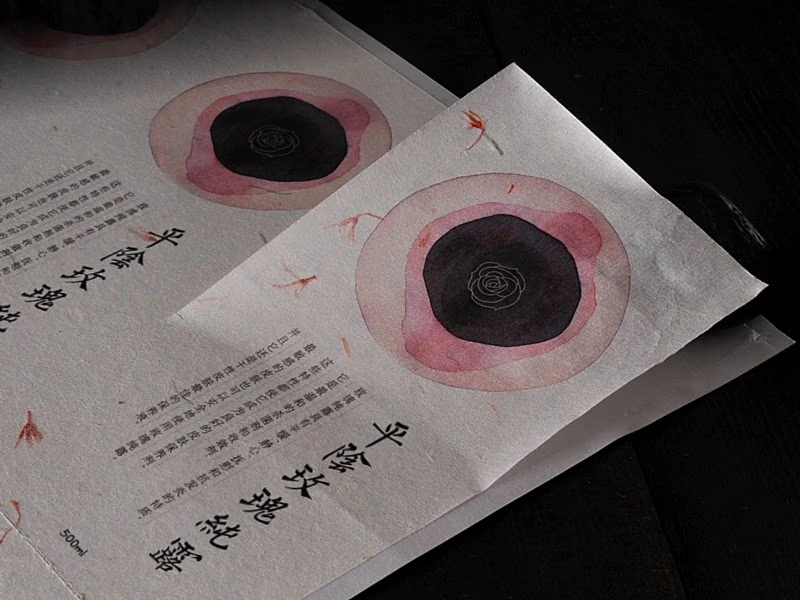
Decorative Xuan-paper tea labels in sheet form, with a tea-fibre option for restrained artwork and simple cut shapes.
View material & finish details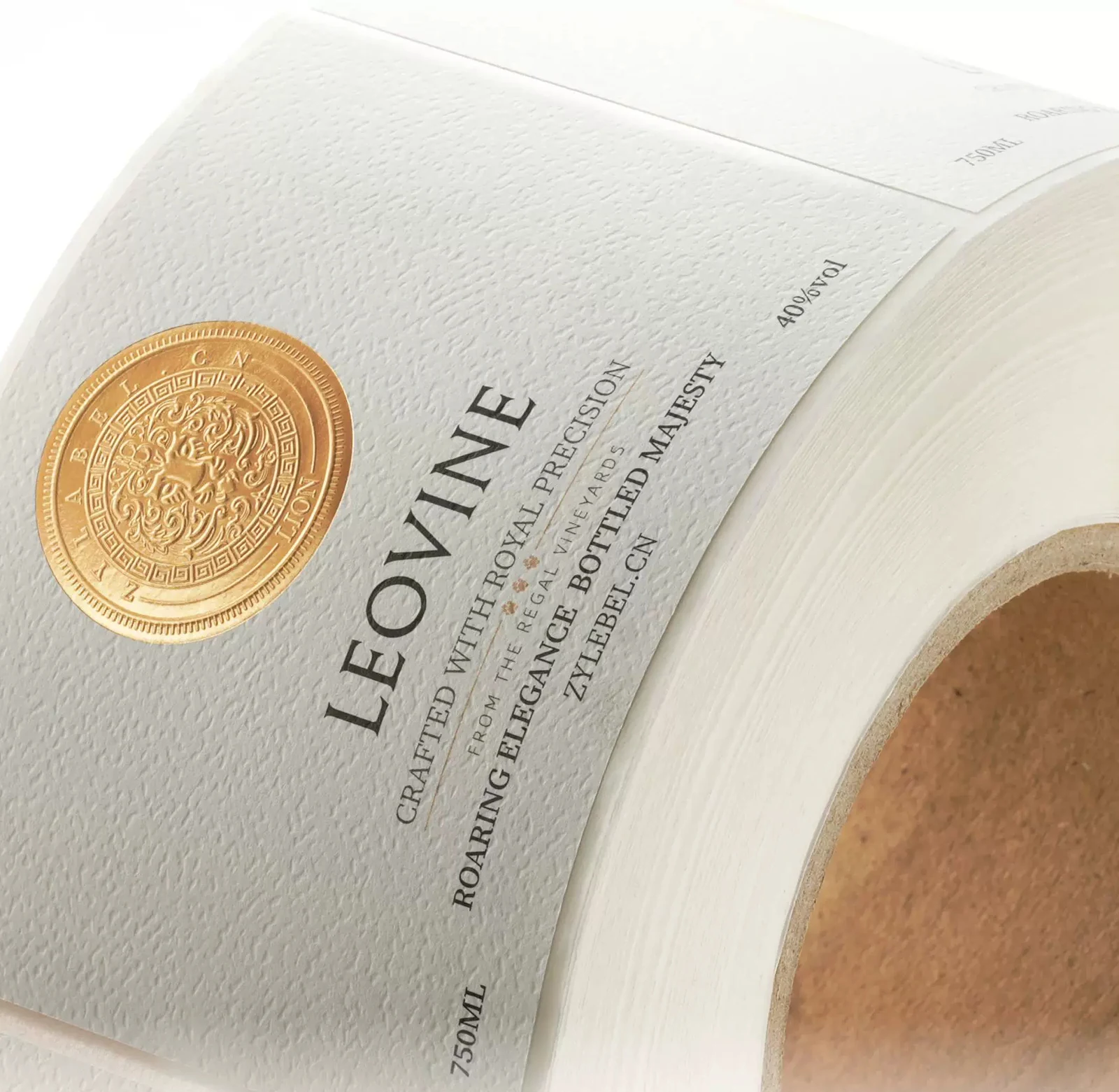
A warm-white textured paper label with optional foil, emboss and reverse UV for gift boxes and dry presentation packaging.
View material & finish detailsStart with where the label goes in your specialty food & regional gifts project. Each receiving surface and application method belongs in the specification.
Product and origin identity for rice, dried goods, honey and other packaged specialities.
Coordinated labels for tins, sleeves, inner packs and curated product assortments.
Texture, paper tone and metallic details on the gift-box closing point.
Product and language variants arranged within one controlled design family.
These are family-level routes for sampling. The quotation confirms the exact face stock, adhesive, print, finish and supply format for your project.
| Application | Face-stock route | Adhesive route | Review before approval |
|---|---|---|---|
| Tea tin or dry pack | White kraft or textured paper | Selected for the pack surface | Paper tone and fine information |
| Decorative gift seal | Specialty paper with optional foil | Matched to the finished box | Fold, opening and surface adhesion |
| Fibre-paper appearance | Decorative Xuan-style stock | Exact construction to confirm | Grain, opacity and print contrast |
| Jar or moisture-exposed pack | Paper or film route | Selected for the use conditions | Filling sequence, handling and spills |
Application temperature and later service conditions are separate selection factors. Avery Dennison adhesive selection guide.
Use finishing to support the visual identity and the information the label needs to carry.
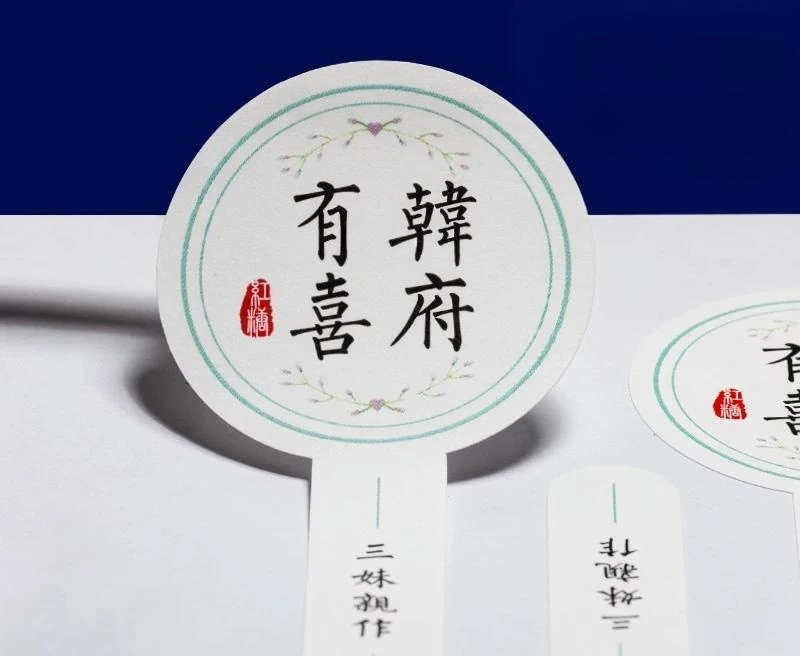
Use a defined artwork layer for reflective accents. Compare the effect on the chosen paper or film, including fine lines and nearby information.
Explore this optionChoose paper grain and raised or recessed effects together. A physical sample shows the detail and feel that a screen proof cannot confirm.
Explore this optionPlan opaque and transparent areas on clear or metallic stocks. Review gloss, matte or protective treatment alongside the final packaging.
Explore this optionAgree an acceptance reference for the actual pack. A digital proof, a physical print and an applied sample answer different questions.
Record each receiving surface separately. A textured gift-box seal and a jar or food pouch may need different stocks and adhesives.
Compare paper tone, grain and printed contrast in hand. Material appearance should not be used to infer fibre composition or environmental credentials.
Create a master layout and a product list for origin, variety, size, language and approved food copy. Keep outer-box and inner-pack quantities aligned.
Confirm label orientation, leading edge, core, maximum roll diameter and the quantity per roll. A roll diagram connects the approved artwork to your applicator.
Prepare the roll specificationCompare sheet supply for hand application and smaller runs. Send quantities per design and keep copy, codes, stock and finish changes in the version list.
Explore sheet labelsReserve room for batch, SKU or serial data. Test the actual print or overprint method, and check the completed code in its intended position on the pack.
Plan variable dataFor barcode layout, preserve clear background areas and suitable contrast. GS1 US barcode placement and printing guidance.
Start with the items below, plus the finished dimensions, artwork and quantity per design. We can then discuss a construction and sample plan for the project.
Discuss your label project