









Labels built around your product and your line.
Every industry has its own containers, conditions and rules. Start from yours: the page shows where labels go, the problems that come up and the constructions that solve them.


Choose your industry
Twenty-one industries, each with its own page: where the labels go, the problems that come up and the constructions that solve them. Start with the four most requested, or find yours in the full list below.
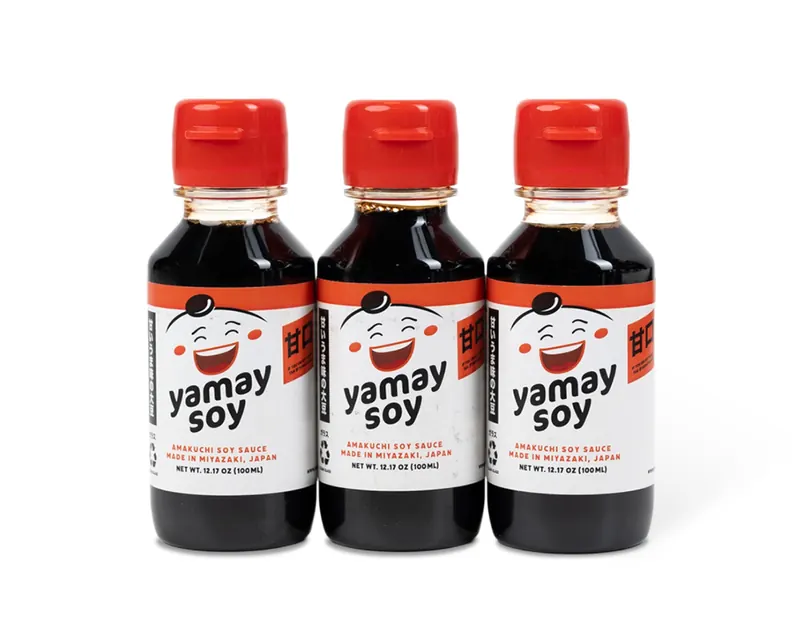
Food & Beverage
Condensation, oils and washing on glass, PET and HDPE; compliance panels and barcodes.
- Cold-use adhesives for chilled lines
- Film and paper constructions
- Rolls for filling lines
Beauty & Personal Care
Squeezable tubes, oils and humidity; clear, metallic and soft-touch effects.
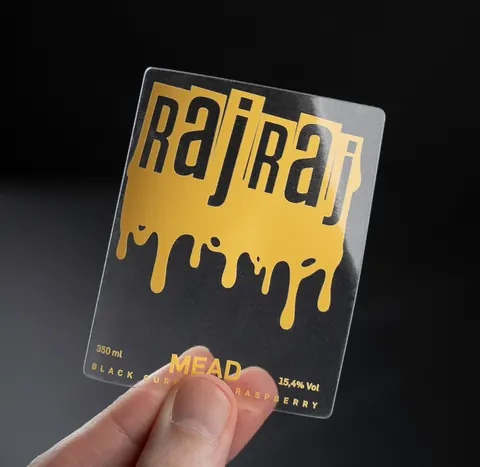
- No-label look on glass
- Adhesives tested against contents
- Foil, soft touch, spot UV
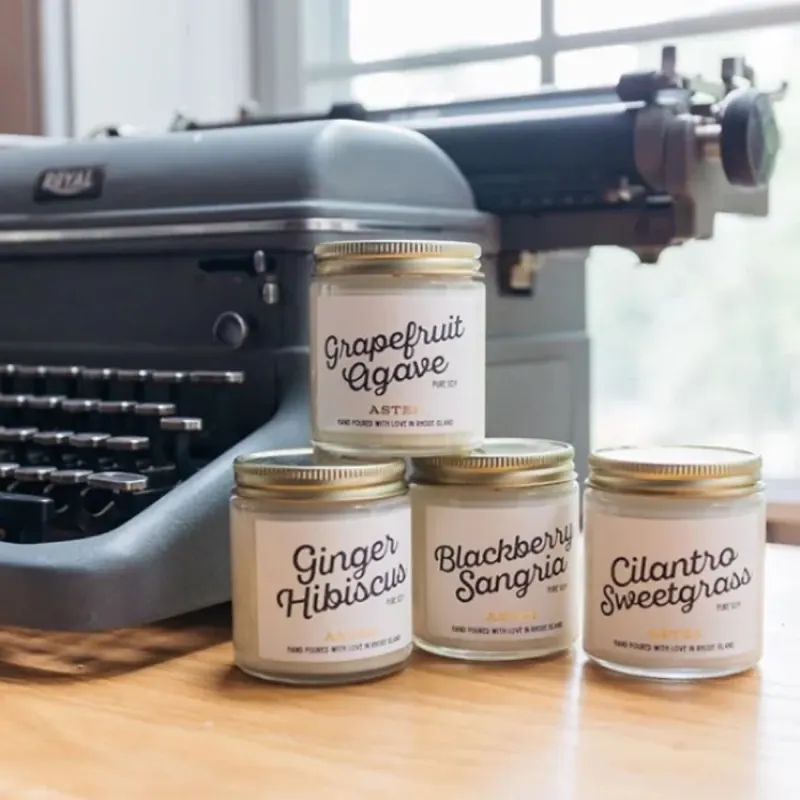
Candles
Frosted glass and warm jars; textured papers and foil for the brand, film for the warning label.
- High-tack for frosted glass
- Textured papers and kraft
- Hand or machine application

Home Care
Detergents, chemicals and abrasion on HDPE and PET; hazard text that stays legible.
- High-tack for HDPE and PP
- Chemical-resistant laminated film
- Durable hazard pictograms
Food & Drink
 Food & BeverageBottles, jars and pouches on the line
 Coffee & TeaBags, tins and roast-date labels
 Wine & SpiritsTextured papers, foil, ice-bucket tested
 Beer & CiderCold bottles and blank-can wraps
 Bakery & ConfectioneryBox seals, bags and allergen panels
 Honey, Jams & PreservesJar wraparounds and lid labels
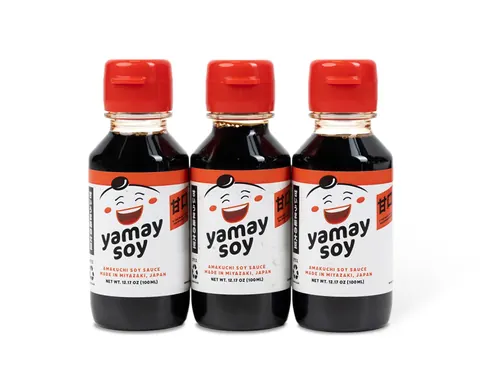
 Sauces & CondimentsOil-resistant films for bottles
 Supplements & NutritionFacts panels and HDPE bottles
Beauty & Home
Commerce & Industry
 E-commerce & ShippingBox seals and thermal labels
 Retail & GiftsPrice labels and gift seals
 Apparel & AccessoriesSize stickers and brand seals
 Electronics & EquipmentRating, serial and device stickers
 Industrial & ChemicalDrums, canisters, hazard labels
 Pharmaceutical & HealthcareVials, tubes and batch coding
 Events & PromotionsGiveaways, windows and floors
The problems that cross industries
Four situations that decide most constructions, whatever the product.
Chilled, wet or condensation-prone packs
Labels applied to cold or wet containers slide, lift or wrinkle.
What we do: cold-use adhesives on film face stocks, tested on your container at line temperature.
Oils, contents and chemicals
Products wick under the label edge, stain paper and fade print.
What we do: laminated films with adhesives chosen against the contents; contact tests where the product is aggressive.
Low-energy and squeezable plastics
HDPE, PP and tubes reject standard adhesives and crack stiff films.
What we do: high-tack adhesives and conformable film gauges; samples squeezed and checked after 24 hours.
Small mandatory text
Ingredient panels, hazard pictograms and barcodes crowd small labels.
What we do: coated or film face stocks, type sizes checked at proofing, barcodes verified for scanning.
Start from the container
The container material and shape narrow the face stock and adhesive before the industry does.
| Container | Typical industries | Face stock | Adhesive | Notes |
|---|---|---|---|---|
| Glass bottle or jar | Food, beverage, candles, beauty | BOPP, paper, textured paper | Permanent · Cold-use · High-tack (frosted) | Clear-look labels on clear glass; wet-strength paper for chilled |
| PET bottle | Beverage, home care, beauty | BOPP, PET, clear film | Permanent · Cold-use | Clear PET for the no-label look; check recycling requirements |
| HDPE or PP bottle and tube | Home care, beauty, food | BOPP, PE, thin films | High-tack | Low surface energy; squeezable packs need conformable film |
| Metal tin or canister | Candles, food, industrial | Paper, BOPP, PET | Permanent · High-tack | Foil and embossing on paper for gift tins |
| Paperboard carton or kraft box | Food, gift, ecommerce | Paper, kraft | Permanent · High-tack | Varnish for handling; seals and die cut stickers |
| Pouch or flexible film | Food, pet, refills | BOPP, PE | Permanent | Conformable film for flexing packs |
Three steps from product to repeat orders
The same process in every industry, with the tests that matter for yours.
Share the product and the line
Container, contents, conditions and how the labels are applied. Artwork if you have it.
Samples on your container
We propose a construction and send samples to apply, squeeze, chill or wipe before production.
Specification kept for reorders
Material, roll specification and artwork version stay on file so every run matches the first.