











Material & size
Face stock, adhesive, liner and the amount of material used vary by construction and format.
 Most popularDie Cut StickersCustom shapes cut to your artwork on laminated vinyl. Singles, packs and rolls, from short runs to volume.Explore
 Kiss Cut StickersEasy-peel backing
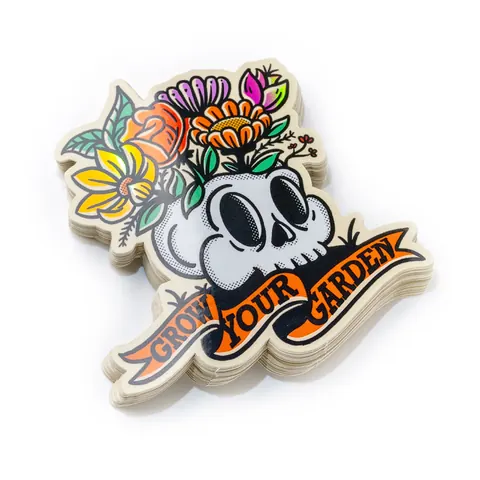 Vinyl StickersDurable laminated film
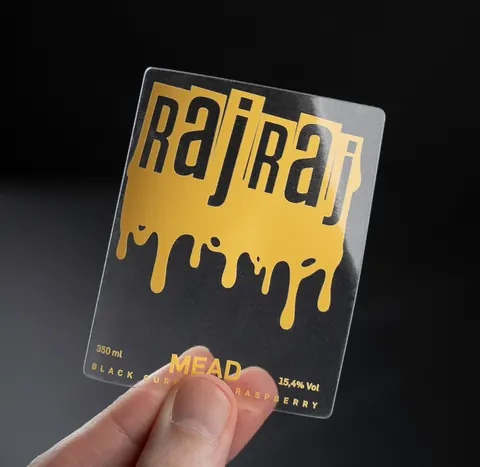
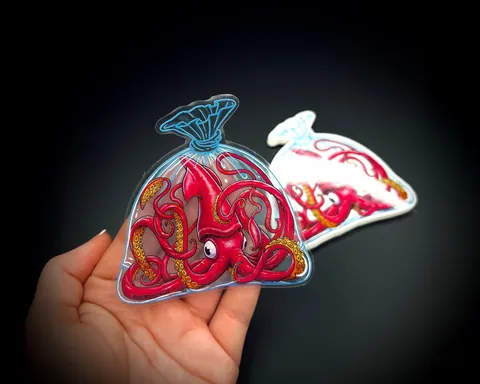 Clear StickersTransparent film, white ink
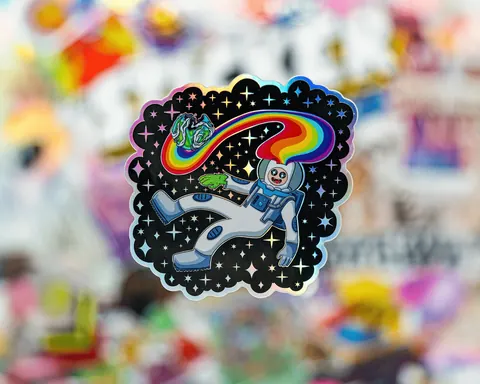 Holographic StickersReflective effect films
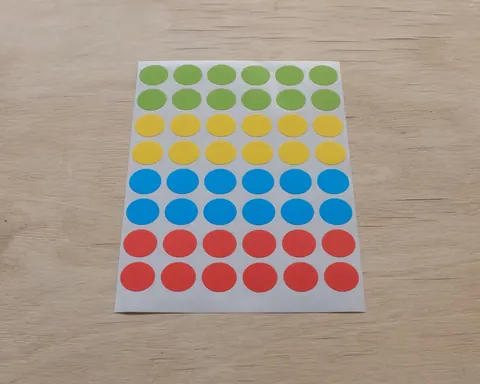
 Sticker SheetsMany designs, one sheetNot sure which sticker?Compare materials, finishes and formats in the selection guide.Selection guide
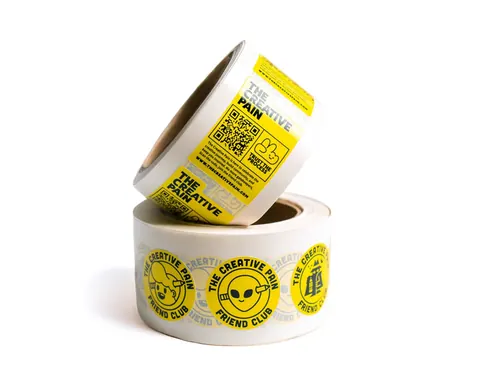 Most requestedRoll LabelsRolls for hand or machine application. Core, unwind and labels per roll set to your line, kept on file for reorders.Explore
 Food & Beverage
 Coffee & Tea
 Wine & Spirits
 Beer & Cider
 Bakery & Confectionery
 Honey, Jams & Preserves
 Sauces & Condiments
 Supplements & Nutrition
 Another industry?Tell us the container and the conditions.Every label is quoted the same way: from the container, the contents and the line. Samples on your packaging confirm it.Request a quote
Understand what can change a custom label quotation before comparing options.
Guide prepared 29 October 2026. Examples are illustrative; no prices are calculated here.
The specification, quantity, design mix, finishing and delivery terms all affect how a quote is built.
Check quantities per design, materials, finishing, setup and delivery on each quote. A lower unit price alone does not show the full order cost.
The effect of any factor depends on the full order, process and supplier quotation.
Face stock, adhesive, liner and the amount of material used vary by construction and format.
The total and the split between designs can change setup and production decisions.
Artwork, number of colours, white ink or variable information can affect the selected route.
Plates, dies or other setup may be needed depending on the process and design.
Lamination, foil, cutting, roll specifications and packaging affect the work involved.
Destination, method, timing and applicable charges should be clear in the quote.
This example has no assumed price or production result; it shows why the quantities and versions should be stated explicitly.
10,000 labels of one design, same material, size and finish.
10,000 labels in total, split into 5,000 of each design, with the same stated material, size and finish.
The supplier may assess artwork, proofing, setup or production differently. Request a quote for each option instead of assuming the same unit price.
Record the basis of the quote as well as the number.
Confirm size, format, material, finish and the unit: label, sheet, roll or set.
Identify setup or tooling, packaging, freight, taxes and any stated exclusions.
Review the lead-time starting point, proof approval requirements and quote validity.
Unknown specifications can be discussed; include delivery destination and the quantity per design.
Tell us what you need. We will help you work through the specification and quotation.