





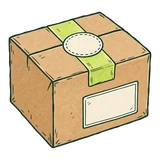






Review the paper grain
Compare physical samples to choose the amount of visible texture.
 Most popularDie Cut StickersCustom shapes cut to your artwork on laminated vinyl. Singles, packs and rolls, from short runs to volume.Explore
 Kiss Cut StickersEasy-peel backing
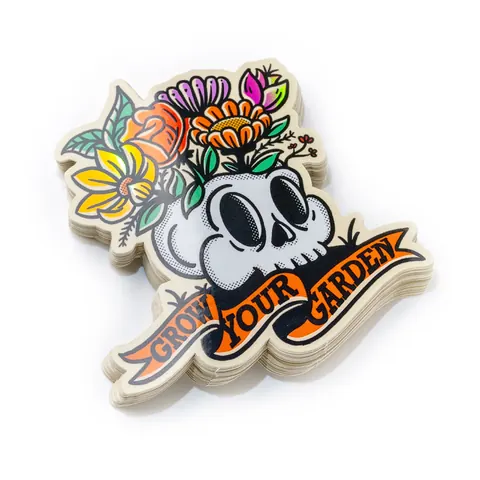 Vinyl StickersDurable laminated film
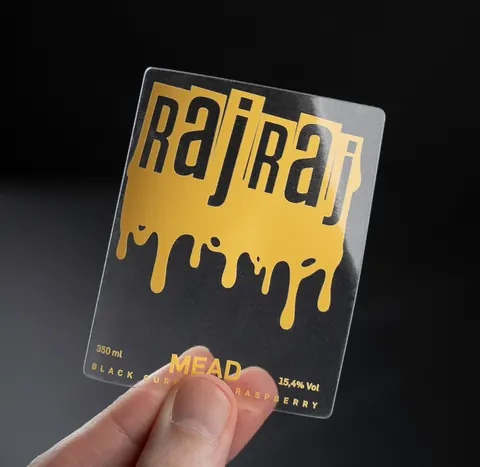
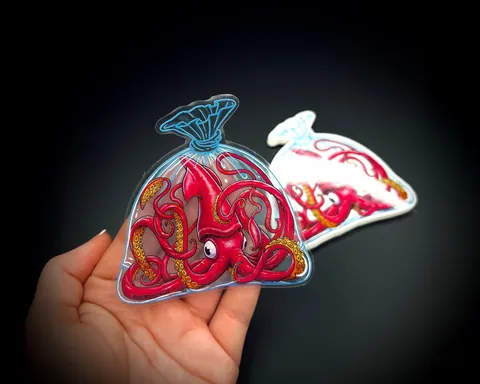 Clear StickersTransparent film, white ink
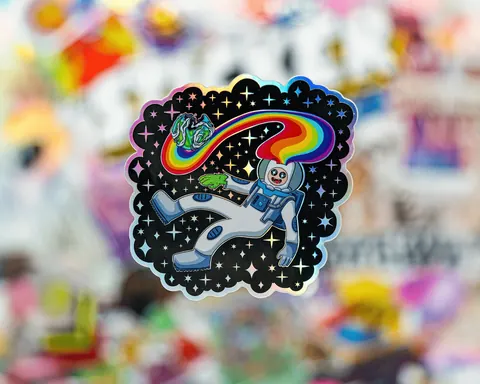 Holographic StickersReflective effect films
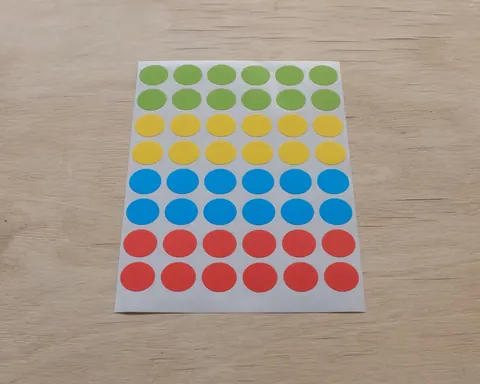
 Sticker SheetsMany designs, one sheetNot sure which sticker?Compare materials, finishes and formats in the selection guide.Selection guide
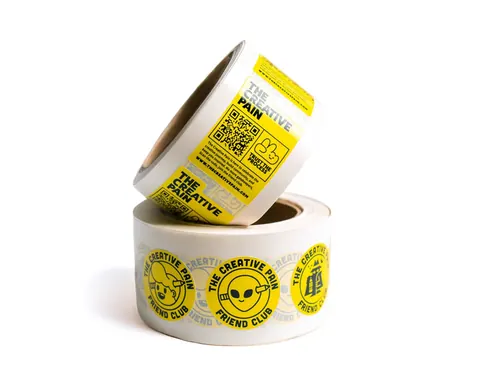 Most requestedRoll LabelsRolls for hand or machine application. Core, unwind and labels per roll set to your line, kept on file for reorders.Explore
 Food & Beverage
 Coffee & Tea
 Wine & Spirits
 Beer & Cider
 Bakery & Confectionery
 Honey, Jams & Preserves
 Sauces & Condiments
 Supplements & Nutrition
 Another industry?Tell us the container and the conditions.Every label is quoted the same way: from the container, the contents and the line. Samples on your packaging confirm it.Request a quote
Rough specialty-paper labels for coffee and handmade-product packaging, with printed artwork designed to remain clear against a tactile surface.
Your artwork, selected stock and final construction are approved together before production.
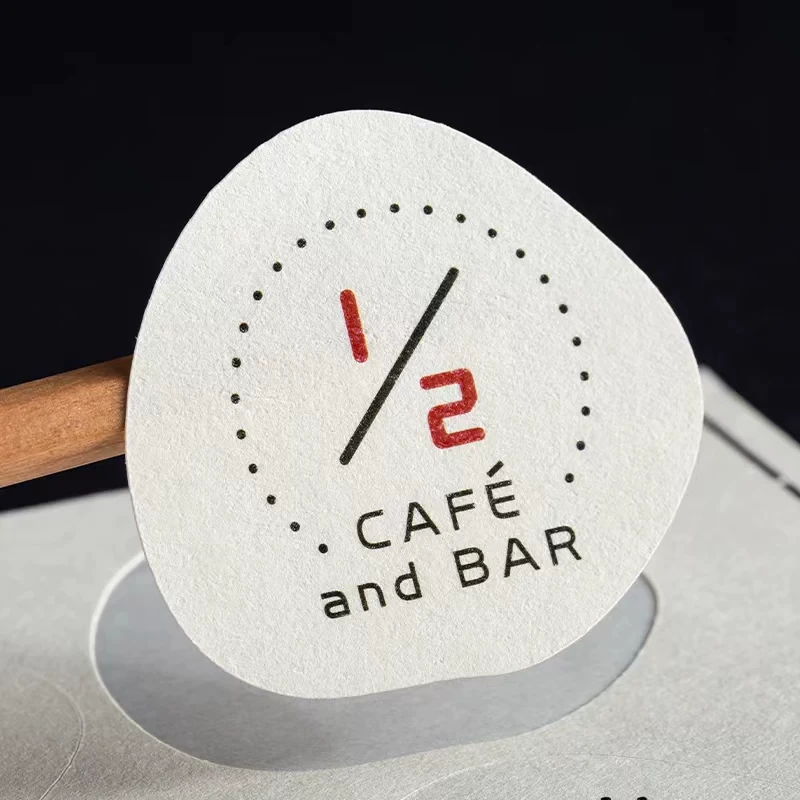
A rough paper surface adds visible character to the label. Set the artwork at the final size early, because the grain and base colour can affect fine lettering and small graphics.
Choose the actual paper and adhesive for the bag, box or cup surface, and check the label near folds and seams. This is a dry-use construction; choose another approved option for wet handling.
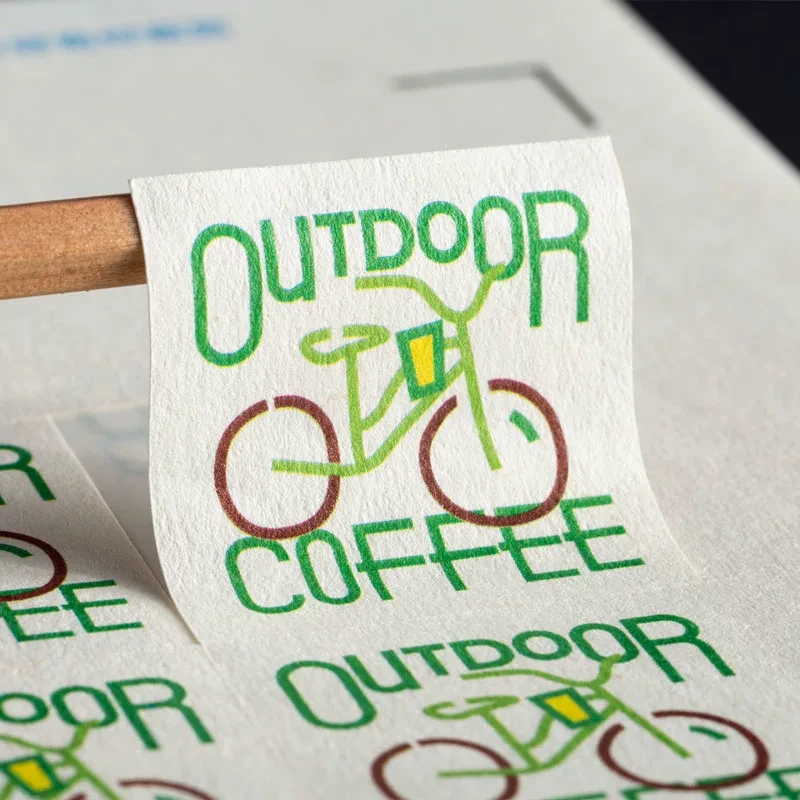
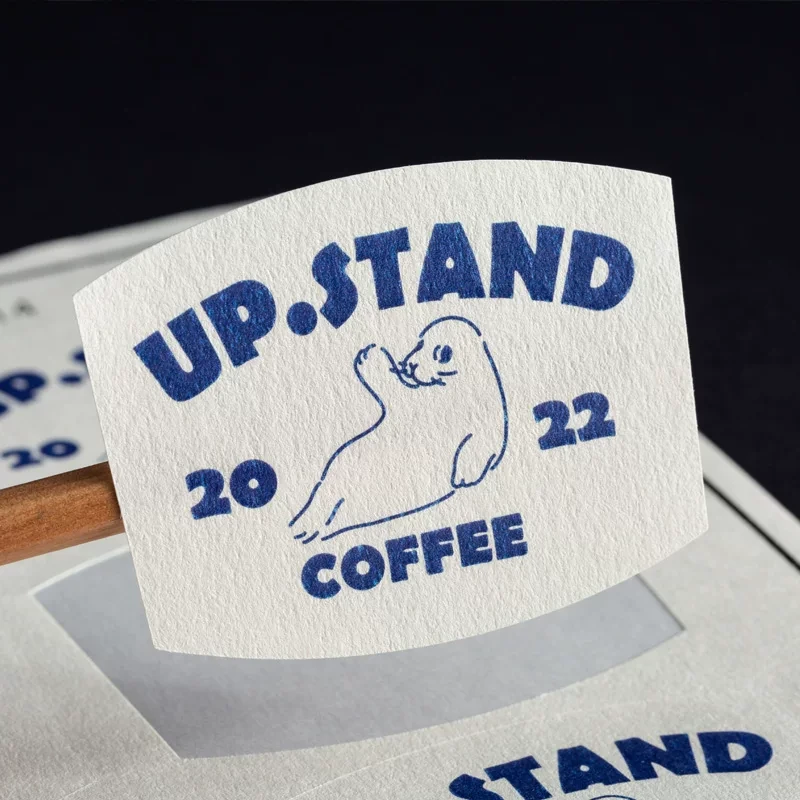
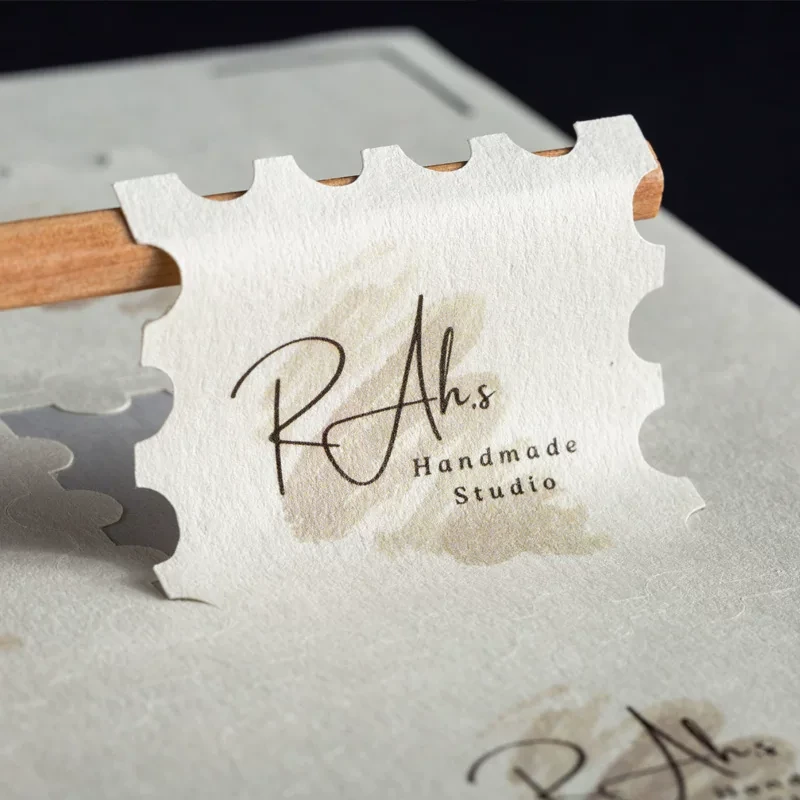
The material, artwork and finish work together. Review these decisions before production.
Compare physical samples to choose the amount of visible texture.
Check small words, line work and any codes on a printed proof of the selected stock.
Trial the label on the actual paper bag, coating or carton before approving the bond.
Use these details to prepare your request. The quotation states the exact stock, adhesive, finish and supply format.
Approve a finished sample on your packaging under the application and service conditions it will meet.
Discuss your surface, handling and storage requirements when choosing a construction.
Brand labels on selected dry pack surfaces.
A tactile label on an outer carton.
Custom artwork fitted to the tin panel.
A paper appearance for the chosen container.
A coordinated textured mark on the pack.
Consistent paper across several designs.
Send the artwork, dimensions, quantity and packaging surface.
Agree the stock, adhesive, print, finish and supply format in the quotation.
Review appearance and application on the actual packaging.
Produce against the approved specification and confirm the packing details.
No fixed weight is established by the texture name. Select the exact grade by sample.
Supply the intended size and review print contrast and scanning on the physical proof.
The surface and base colour can change the printed result. Approve it on the selected sheet.
State the condensation and application conditions so the complete construction can be selected and trialled.
Review each curve, seam or fold with the approved stock and adhesive.
Share your design, quantity, application and destination. We will confirm the construction and proofing steps for your project.