




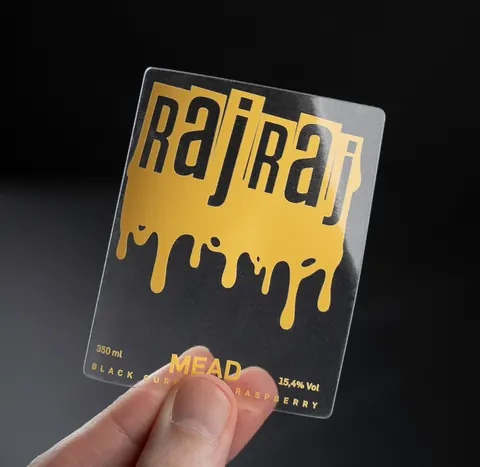

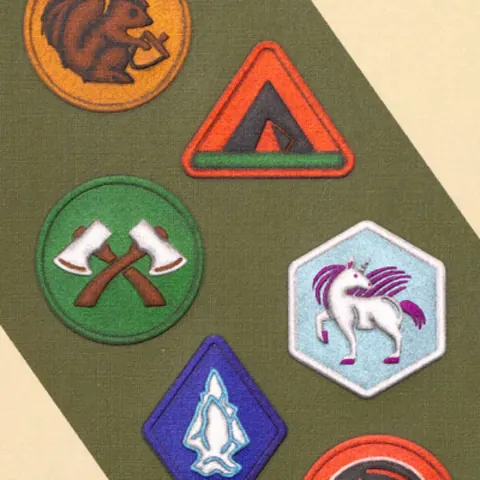

















Illustration for guidance; final appearance depends on your specification.
RFID & NFC Labels
Discuss smart-label projects around the intended reader, environment and data handling before selecting a construction.
- Describe the protocol, chip and reader where known.
- Share the substrate, placement and reading environment.
- Keep encoding data and artwork separately identified.
Availability, samples, materials, quantities, cost and timing are confirmed for your project.
Start with what you know.
Choose any details you know. Leave the rest blank and we can help. Selected options carry into the quote request; add backing dimensions, white-ink areas, use conditions and quantity per design in the product notes.
Face stock
Finish
Adhesive
Cut style
Shape
Application method
Core diameter
Winding
Finished label size
Measure the label itself. For sheets or backing, include the overall dimensions in your request notes.
Approximate quantity
Specify the unit and distribution per design in your request.
Application details Optional
These details are added to the notes in your quote request.
The chip, antenna and application work together
An RFID or NFC label can combine an electronic component with a printable label construction. Availability, compatibility, encoding and reading performance must be established for the particular project.
| Protocol and chip | State the intended protocol, chip or reader requirements where known; availability must be confirmed. |
|---|---|
| Placement | Describe the actual substrate, label orientation, nearby metal or liquids and reading environment. |
| Reading and encoding | Describe reader model, operating conditions, data format, quantity and whether each label needs unique encoding. |
| Artwork and data | Keep artwork and encoding data identified separately. Agree secure transfer before sharing sensitive data. |
Final materials, artwork and production details are confirmed for each project.
Separate artwork from encoding data.
Artwork
Identify the printable areas, size and version independently. A label’s electronic components and placement may constrain the design.
Encoding data
Provide a synthetic example, field format, sequence and verification requirements separately. Agree on secure handling before transferring sensitive data.
Reading range is not a fixed property of a label alone. Identify reader, protocol, environment and placement, and test the actual configuration.
From your idea to a finished label.
Send the information you have; there is room to work out the details together.
Share the project
Tell us the surface, sizes, quantities and intended use. Artwork can follow.
Review the quote
Confirm the material, cut, finish and allocation across designs.
Approve the proof
Review artwork, cutlines and layers before production.