


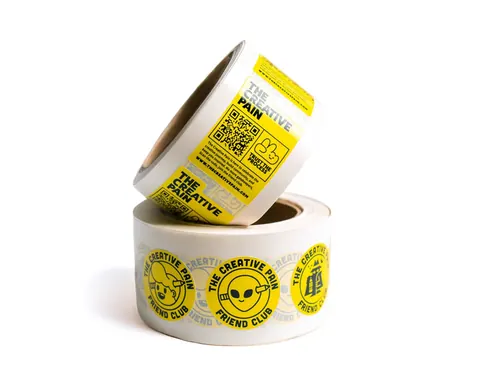
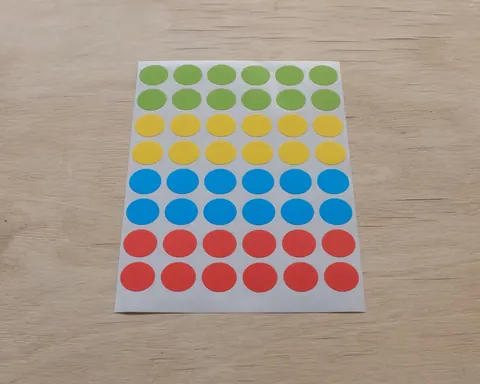
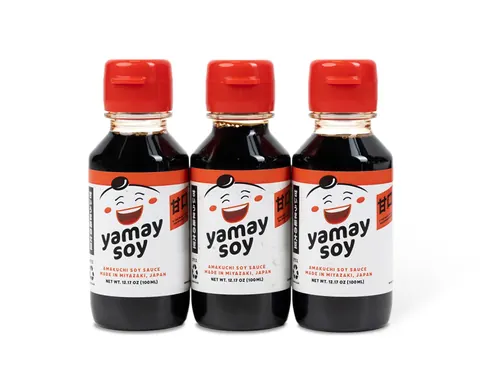
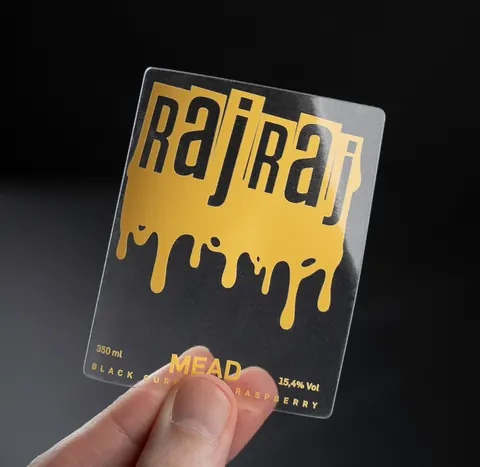
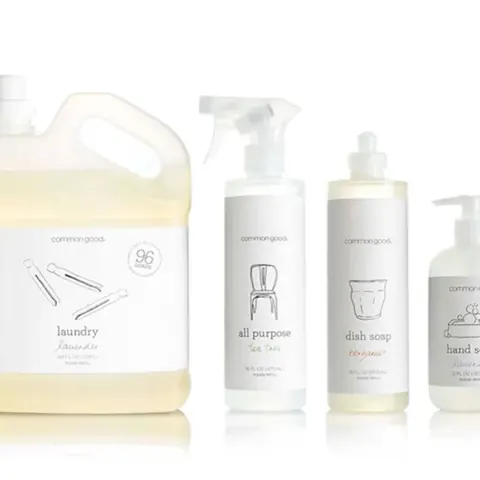











Illustration for guidance; final appearance depends on your specification.
Freezer Labels
Labels for cold-use projects, selected around the temperatures and condition of the container when applied.
- Provide application and service temperatures separately.
- Tell us whether the surface is dry, wet or frosted.
- Test adhesion and legibility through the actual cold cycle.
Availability, samples, materials, quantities, cost and timing are confirmed for your project.
Start with what you know.
Choose any details you know. Leave the rest blank and we can help. Selected options carry into the quote request; add backing dimensions, white-ink areas, use conditions and quantity per design in the product notes.
Face stock
Finish
Adhesive
Cut style
Shape
Application method
Core diameter
Winding
Finished label size
Measure the label itself. For sheets or backing, include the overall dimensions in your request notes.
Approximate quantity
Specify the unit and distribution per design in your request.
Application details Optional
These details are added to the notes in your quote request.
Two temperatures, two decisions
A label applied at room temperature and then frozen has different requirements from one applied to a cold container. Condensation and frost can further affect adhesion.
| Application temperature | Give the temperature in °C when the label is applied and state whether the surface is dry, damp or frosted. |
|---|---|
| Service temperature | Give the storage and transport temperature range in °C and expected time in service. |
| Container | Identify the substrate, shape and cleanliness at application. |
| Cold cycle | Describe freezing, thawing and condensation cycles so representative samples can be evaluated. |
Final materials, artwork and production details are confirmed for each project.
Separate the moment of application from storage.
Apply before freezing
Record the actual application temperature and surface condition, then describe the service temperature and cold cycle.
Apply to a cold container
Record the application temperature separately and state whether the surface is dry, damp or frosted. Test the selected construction in those conditions.
From your idea to a finished label.
Send the information you have; there is room to work out the details together.
Share the project
Tell us the surface, sizes, quantities and intended use. Artwork can follow.
Review the quote
Confirm the material, cut, finish and allocation across designs.
Approve the proof
Review artwork, cutlines and layers before production.